5 Honda Sensing Features That Keep the 2026 HR-V’s Daily Drives Safer
August 18 2026,
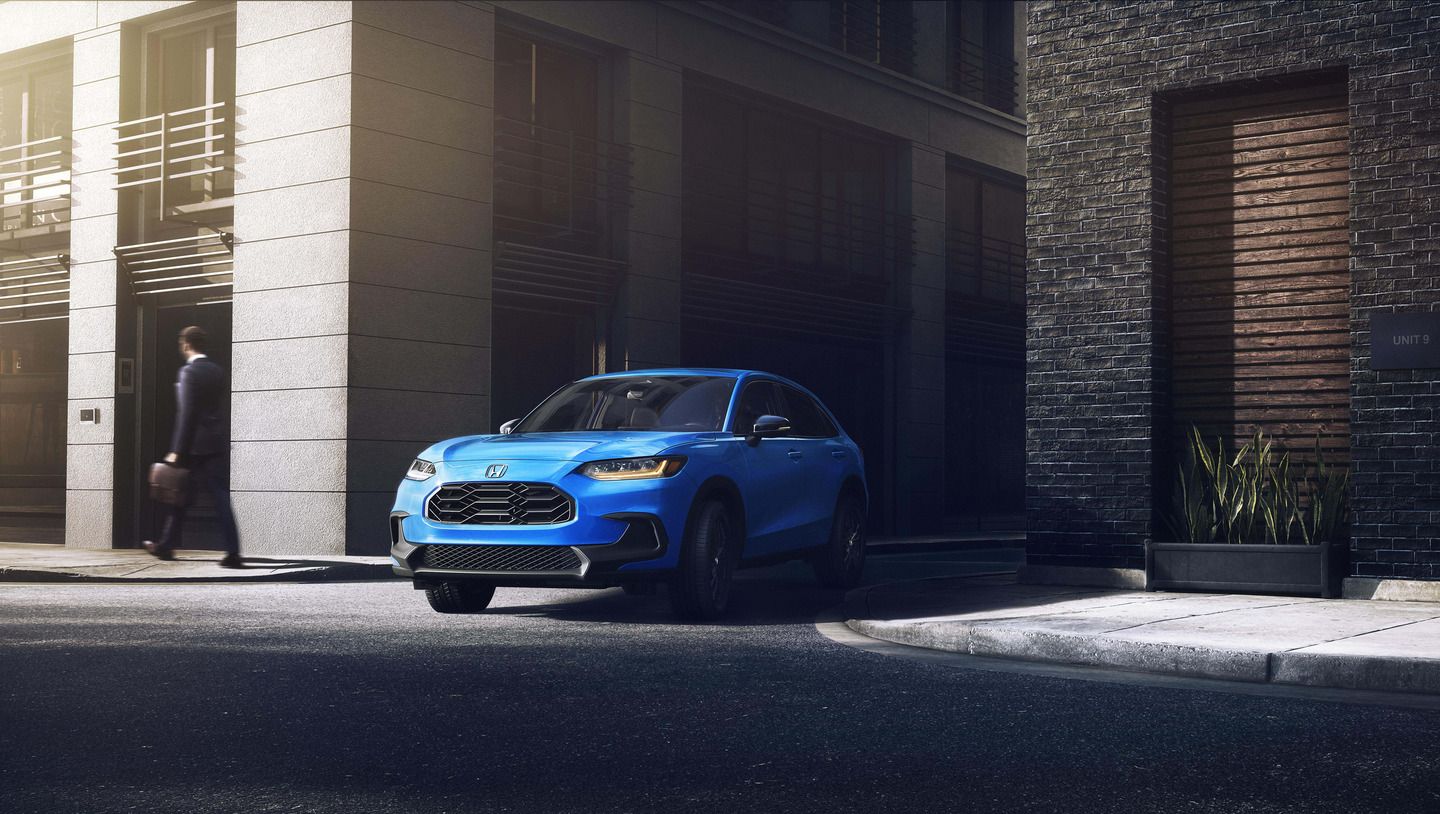
Merging onto a busy highway or crawling through stop-and-go traffic, most drivers want one thing: a vehicle that helps them stay aware without adding stress. The 2026 Honda HR-V is built with that everyday reality in mind.
Honda Sensing is the suite of safety and driver-assistive technologies that comes standard on every 2026 HR-V trim. For Canadian commuters navigating multi-lane highways, city gridlock, and tight parking lots, it’s worth understanding what this technology actually does before you get behind the wheel.
What Honda Sensing Is
Honda Sensing is a standard suite of safety and driver-assistive technologies included on every 2026 HR-V, from the LX through the Sport and EX-L. It isn’t an option you add later or a feature reserved for a higher trim; it comes built into the vehicle’s standard equipment.
This suite works alongside the HR-V’s Advanced Compatibility Engineering (ACE) body structure and next-generation front airbags, which include standard front occupant knee airbags and rear passenger side-impact airbags. Together, these systems form the backbone of how the HR-V approaches everyday safety.
How It Works in Plain Language
Honda Sensing is designed to support the driver, not replace them. Broadly, it groups into a few jobs: watching the road ahead for potential hazards, supporting braking in traffic, helping you stay aware of your lane position, and easing the mental load during steady-speed driving.
There’s an important distinction worth understanding. Some features simply alert you, such as a warning sound or dashboard message when something needs your attention. Others can step in with automatic braking support if a hazard develops quickly. And separately, low-speed protection features are tuned specifically for slower-speed situations like parking lots, where a sudden stop or unexpected obstacle is more likely.
On the lane side, the system distinguishes between simply warning you that you’re drifting out of your lane and offering active steering support to help guide you back toward the centre. These aren’t the same function, and knowing the difference helps you understand what to expect when you’re driving.
Why It Matters in Real Driving
Most Canadian commutes aren’t about open-road performance. They’re about traffic lights, merging lanes, and the unpredictable moment someone brakes ahead of you. This is exactly where Honda Sensing is most useful.
Braking-focused features are tuned for city traffic and stop-and-go conditions, helping respond to unexpected slowdowns before they become a problem. Cruise-control and traffic-assist features reduce the constant small adjustments a driver makes in steady traffic or congestion, supporting following distance and traffic flow rather than chasing speed.
A sign-reading feature can surface road-sign information, which is useful when you’re driving through an unfamiliar area or a route where speed limits change without much warning. None of this is about maximizing highway performance; it’s about making the routine parts of driving less demanding.
Who Benefits Most

Drivers who spend real time in traffic get the clearest advantage from this technology. Lane-support tools matter most on longer commutes and multi-lane highways, where staying centred over a sustained stretch of driving takes real attention.
Parking-lot manoeuvring is another area where Honda Sensing adds a layer of confidence. Related visibility aids help with everyday awareness around the vehicle, which is especially useful when backing up or navigating close quarters in a crowded lot.
Here’s a quick breakdown of where these categories apply:
- Collision-avoidance and braking support: watches the road ahead, assists during sudden slowdowns
- Lane-support tools: distinguishes lane-drift warnings from active steering assistance
- Cruise and traffic-assist features: reduces driver workload in congestion and steady traffic
- Sign-reading and visibility aids: surfaces road-sign information, supports parking-lot awareness
Common Questions About Honda Sensing
Does every HR-V trim get Honda Sensing? Yes. It’s part of the HR-V’s standard equipment across the lineup, alongside the vehicle’s standard tech package, not something reserved for a specific trim.
Is Honda Sensing the same as fully automated driving? No. It’s a driver-assistive suite. It alerts, supports braking, and helps with lane positioning, but the driver stays responsible for the vehicle at all times.
Does it help in parking lots? Yes. Low-speed protection and related visibility aids are tuned for close-quarters manoeuvring, adding a layer of awareness when backing up or navigating tight spaces.
Getting to Know the 2026 HR-V
The 2026 HR-V pairs its standard Honda Sensing suite with a 9-inch touchscreen, a 7-inch digital instrument cluster, and a 2.0-litre engine, all built into a compact SUV assembled in Canada. It’s a package aimed at everyday driving rather than one specific commute type.
Visit Lallier Honda 640 to see the 2026 HR-V in person and ask about how Honda Sensing performs during a test drive suited to your daily routes.