5 Standard Honda Sensing Technologies on the 2026 Honda HR-V
September 08 2026,
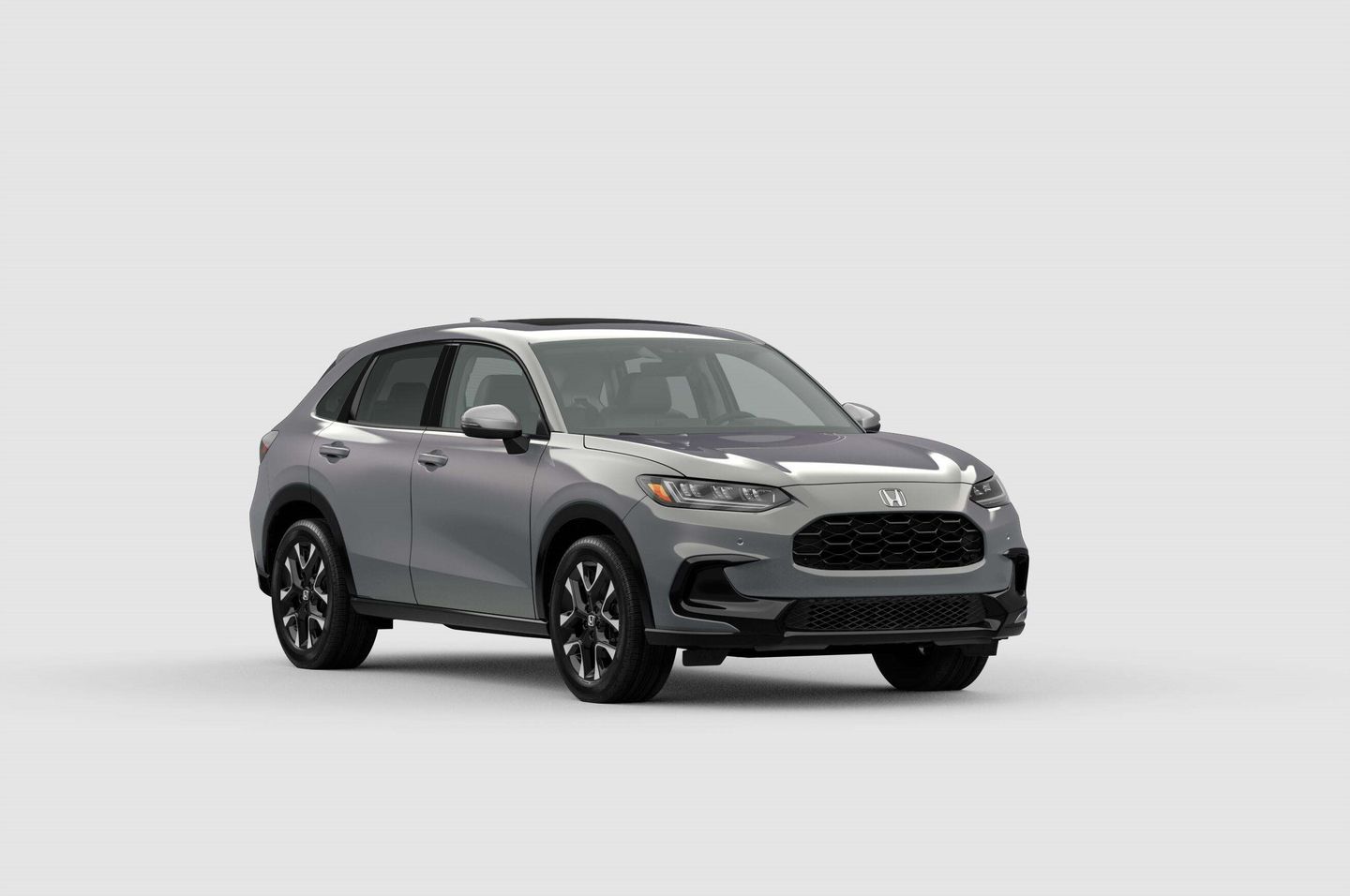
Whether merging onto a busy highway or inching forward in traffic, most drivers want one simple thing: a vehicle that helps them stay alert without adding stress. The 2026 Honda HR-V was designed around this everyday reality.
Honda Sensing is the suite of safety and driver-assist technologies standard across every 2026 HR-V trim. For Canadian commuters navigating multi-lane highways, city congestion, and tight parking spaces, understanding what this technology actually does before getting behind the wheel is well worth it.
What Is Honda Sensing?
Honda Sensing is a suite of standard safety and driver-assist features included on every 2026 Honda HR-V—from the LX and Sport to the EX-L. It is not an add-on option or a perk locked behind a top trim; it is core standard equipment.
This suite works in tandem with the HR-V's Advanced Compatibility Engineering (ACE) body structure and next-generation front airbags, which include standard front occupant knee airbags as well as rear passenger side-impact airbags. Together, these systems form the foundation of the HR-V's everyday safety architecture.
How Honda Sensing Works, in Plain Terms
Honda Sensing is designed to support the driver, not replace them. Broadly speaking, its capabilities fall into key categories: monitoring the road for potential hazards, assisting with braking in traffic, helping maintain lane positioning, and reducing driver fatigue at cruising speeds.
There is an important distinction to keep in mind: some features act strictly as alerts—sounding a chime or flashing a dashboard prompt when something demands attention—while others intervene with automatic braking assist if a hazard develops quickly. Meanwhile, low-speed protective functions are tuned specifically for close-quarters driving, like parking lots, where sudden stops or surprise obstacles are more likely.
When it comes to lane positioning, the system differentiates between merely alerting you that you are drifting out of your lane and actively providing steering assistance to help guide you toward the centre. They are not the same function, and knowing the difference helps set clear expectations behind the wheel.
Why It Matters for Everyday Driving

Most Canadian commutes are far removed from open-highway performance. Instead, they are defined by stoplights, merge ramps, and that unpredictable moment when someone abruptly brakes ahead. That is precisely where Honda Sensing delivers the most value.
Braking-focused systems are calibrated for urban traffic and stop-and-go conditions, helping react to unexpected slowdowns before they escalate. Adaptive cruise control and traffic-assist features minimize constant micro-adjustments in steady or congested flow, prioritizing safe follow distances and smooth momentum over pure speed.
Traffic sign recognition can detect and project road sign information onto the display, which proves especially handy in unfamiliar areas or zones where speed limits shift with little warning. None of this is about lap times; it is about taking the fatigue out of routine driving.
Who Benefits Most from Honda Sensing?
Drivers who spend considerable time in daily traffic gain the greatest advantage. Lane-keeping tools shine on long road trips and sprawling multi-lane highway stretches, where remaining centred over extended periods demands real mental energy.
Parking situations are another area where Honda Sensing boosts confidence. Associated visibility assists improve overall situational awareness around the vehicle, proving especially valuable when backing up or maneuvering through tight, crowded lots.
Here is a quick snapshot of how these categories break down:
-
Collision Mitigation & Braking Assist: Monitors the road ahead and assists during sudden slowdowns.
-
Lane Support Tools: Distinguishes between lane drift warnings and active steering assistance.
-
Cruise Control & Traffic Assist: Reduces driver workload in gridlock and steady cruising conditions.
-
Traffic Sign Recognition & Visibility Aids: Displays road sign details and bolsters spatial awareness while parking.
Frequently Asked Questions About Honda Sensing
-
Does every HR-V trim come with Honda Sensing?
Yes. It comes standard across the entire HR-V lineup alongside the vehicle's standard tech suite, rather than being restricted to higher trim levels.
-
Is Honda Sensing fully autonomous driving?
No. It is a driver-assistance suite. While it alerts, supports braking, and assists with lane positioning, the driver remains responsible for the vehicle at all times.
-
Is it helpful in parking lots?
Yes. Low-speed protection and related visibility aids are tailored for tight spaces, adding an extra layer of awareness when reversing or navigating close quarters.
Meet the 2026 Honda HR-V
The 2026 HR-V pairs its standard Honda Sensing suite with a 9-inch touchscreen, a 7-inch digital gauge cluster, and an efficient 2.0-litre engine—all packaged within a compact SUV built for Canada. It is an ensemble crafted for real-world daily driving rather than just one type of commute.
Visit Lallier Honda 640 to see the 2026 Honda HR-V in person and test how Honda Sensing performs during a test drive tailored to your everyday routes.